
Introduction
This situation is not caused by a temporary mistake or short delay.
Instead, the operating system makes a deliberate security decision.
Once the device reaches this state, normal user access has already ended.
However, waiting, restarting, or trying again does not change the outcome.
Phone locked after too many attempts represents a system-level security lockout that permanently stops passcode verification after repeated failures.
On modern Android devices, this mechanism protects encrypted user data rather than user convenience.
In short, this guide explains how the lockout escalates, where recovery paths end, and why data access becomes impossible without erasing the device.
Step-by-Step Guide
Step 1: First, Failed Attempts Are Tracked at the System Level
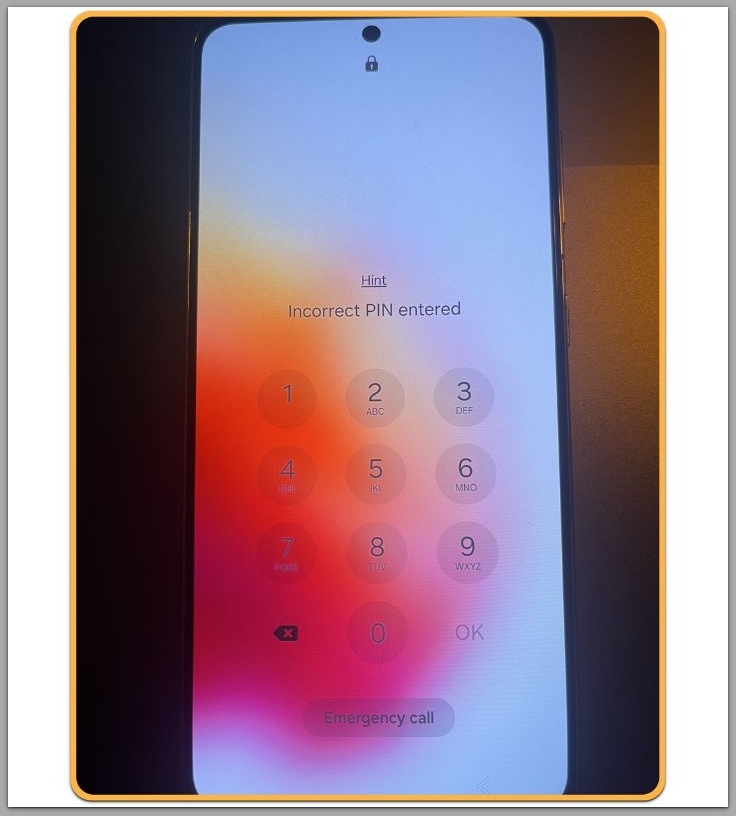
Every modern smartphone records incorrect unlock attempts internally.
The operating system handles this counter, not the lock screen interface.
After several failures, the system introduces delays automatically.
Over time, each additional mistake increases these delays.
At this stage, phone locked after too many attempts has not fully occurred.
If the user enters the correct passcode, the system still allows access.
At this point, this phase slows guessing rather than blocking legitimate users.
Step 2: As a Result, Escalation to Security Lockout
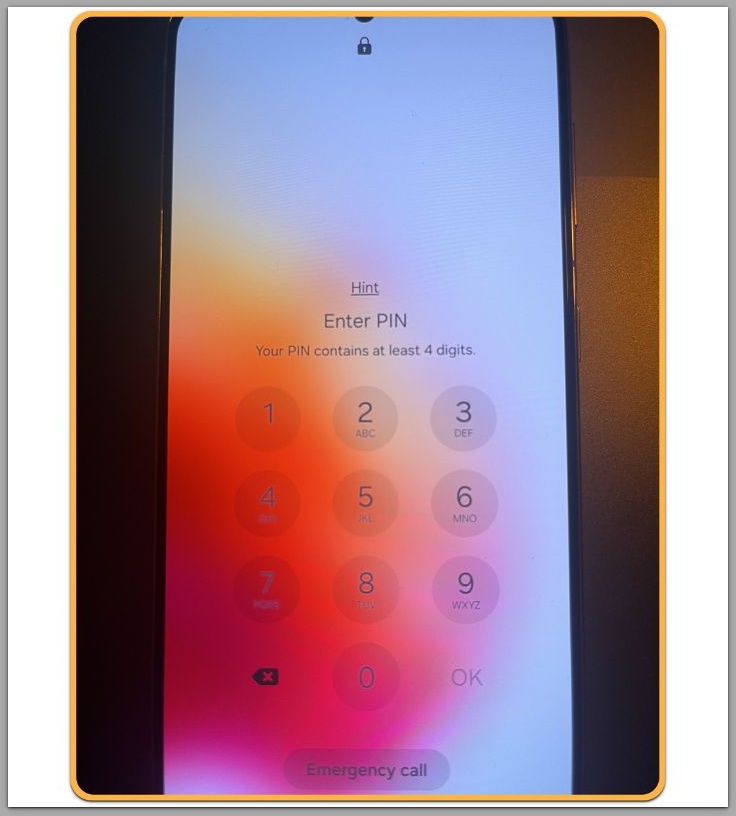
Once the system exceeds the maximum threshold, it escalates the response.
As a result, delay messages give way to a permanent lockout state.
On Android, retry options may disappear entirely once the security threshold is exceeded.
At that point, the system no longer presents temporary delay messages.
From here on, phone locked after too many attempts reflects a system decision rather than a user error.
The operating system disables further passcode validation.
Waiting does not restore access after this stage.
Step 3: At This Point, Passcode Verification Is Disabled Completely
After the security lockout activates, the device stops checking passcodes.
The system no longer evaluates even the correct code.
Because of this, many users misunderstand the situation.
The phone no longer asks for the right answer.
Phone locked after too many attempts now means the system seals the encryption key.
Under these conditions, user data cannot be decrypted.
This behavior is intentional and irreversible.
Step 4: Therefore, Encryption Makes Bypass Impossible
All modern smartphones encrypt user data using the passcode as part of the key.
Without verification, the system cannot decrypt the data.
For this reason, no hidden reset, emergency code, or manufacturer override exists.
Allowing one would undermine the entire security model.
Phone locked after too many attempts cannot be bypassed because bypassing would require breaking encryption itself.
Consumer devices do not permit this.
This rule applies to all modern Android devices using full-disk encryption.
Step 5: Finally, Factory Reset Becomes the Only Supported Option
Once the lockout reaches its final stage, the system exposes only one path forward.
The system requires the device to be erased and set up again.
Phone locked after too many attempts ends only through a factory reset.
No intermediate recovery state exists.
After that, users can restore data only from an existing cloud or computer backup.
Without a backup, all local data is permanently lost.
This point marks the final boundary between user control and system enforcement.
Therefore, External Support Boundary
If the issue still persists after checking everything above, it likely extends beyond basic settings.
In these cases, device restrictions, account-level limitations, or system security enforcement require direct examination by professionals.
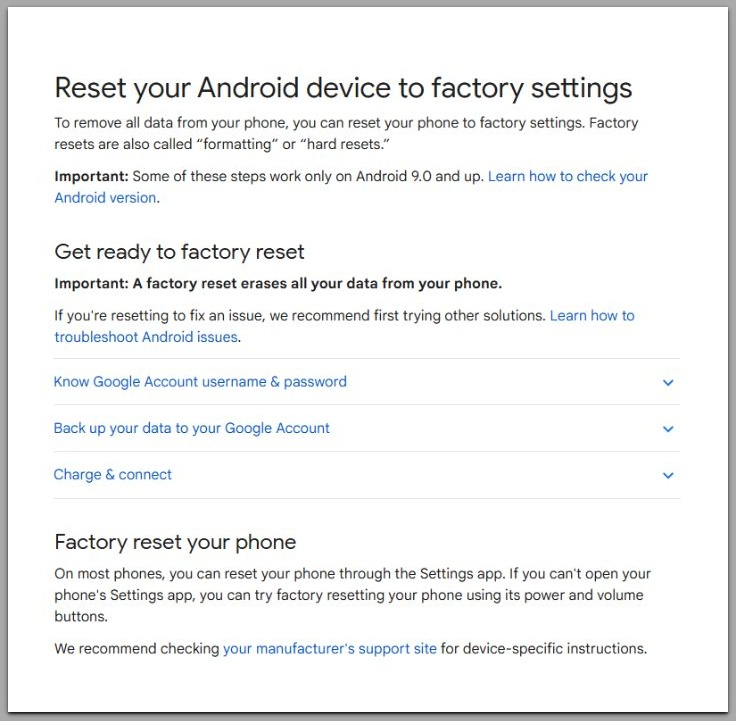
If you need further assistance, please refer to the official Android support page
Troubleshooting
Restarting the device does not reset lockout counters.
Likewise, network changes, SIM removal, or airplane mode do not affect the lockout.
Recovery menus do not restore passcode access.
They only allow device erasure.
By this stage, phone locked after too many attempts takes effect before user data loads.
If no countdown timer appears, troubleshooting options have already ended.
Additional Tips
Regular backups provide the only protection against lockout data loss.
In practice, cloud and local backups offer equal value.
Stop entering guesses when unsure of the passcode.
Doing so early prevents escalation.
Limit unlock access when others use the device.
Accidental attempts commonly trigger lockouts.
This lockout remains preventable, but never reversible.
Final Notes
Phone locked after too many attempts defines a security boundary, not a usability flaw.
Once crossed, the system prioritizes data protection over convenience.
At that point, when the lockout message appears without a retry option, user-level recovery has ended.
Checklist
☐ Lockout message shows with no countdown
☐ Passcode entry is no longer accepted
☐ Device reset is the only supported option
☐ Data recovery requires an existing backup
Extra Section 1
Many online guides promote unlock tools or secret bypass methods.
In reality, these claims mislead users.
Third-party tools cannot decrypt protected storage without the passcode.
Most simply trigger a factory reset.
Worse still, some tools add extra account locks, such as activation protection.
These complications often make recovery harder.
This situation never qualifies as a software glitch.
The system enforces it deliberately.
Extra Section 2
This lockout primarily protects against theft.
As a result, a stolen phone becomes unusable without credentials.
The same protection applies to legitimate owners who forget their passcode.
Security systems do not evaluate intent.
Phone locked after too many attempts reflects a trade-off.
Ultimately, strong privacy demands irreversible boundaries.
Understanding this reduces panic and encourages better preparation.