
Introduction
────────────────────────
Data roaming not working abroad means the device is technically functioning, but the carrier has not authorized data access outside the home network.
In this state, the failure does not come from phone settings, APN input, or temporary network glitches.
Once roaming stops at this level, user-side actions no longer influence the outcome.
────────────────────────
Step-by-Step Guide
────────────────────────
────────────────────────
Step 1: Confirm That Mobile Data Works Normally at Home
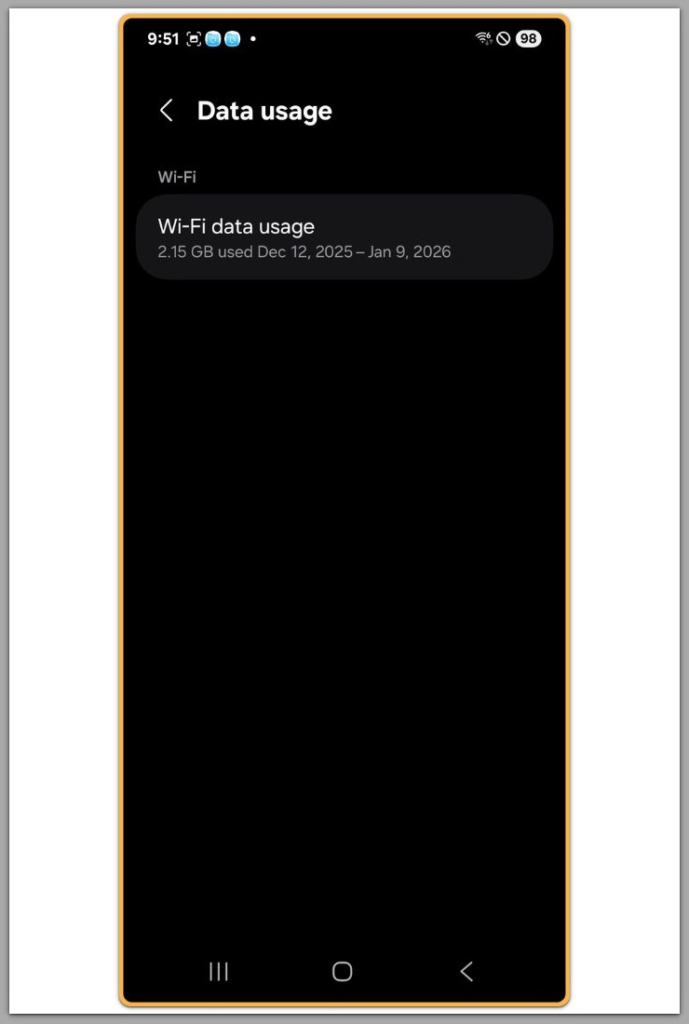
Before judging the issue as a roaming failure, confirm that mobile data works without problems in the home country.
If data works normally before departure and stops only after crossing borders, the issue is not hardware-related.
As a result, this pattern already narrows the cause to roaming authorization rather than device malfunction.
If mobile data also fails domestically, this article does not apply.
In that case, the scenario points to a separate account or SIM issue.
────────────────────────
Step 2: Check That Data Roaming Is Enabled but Ineffective
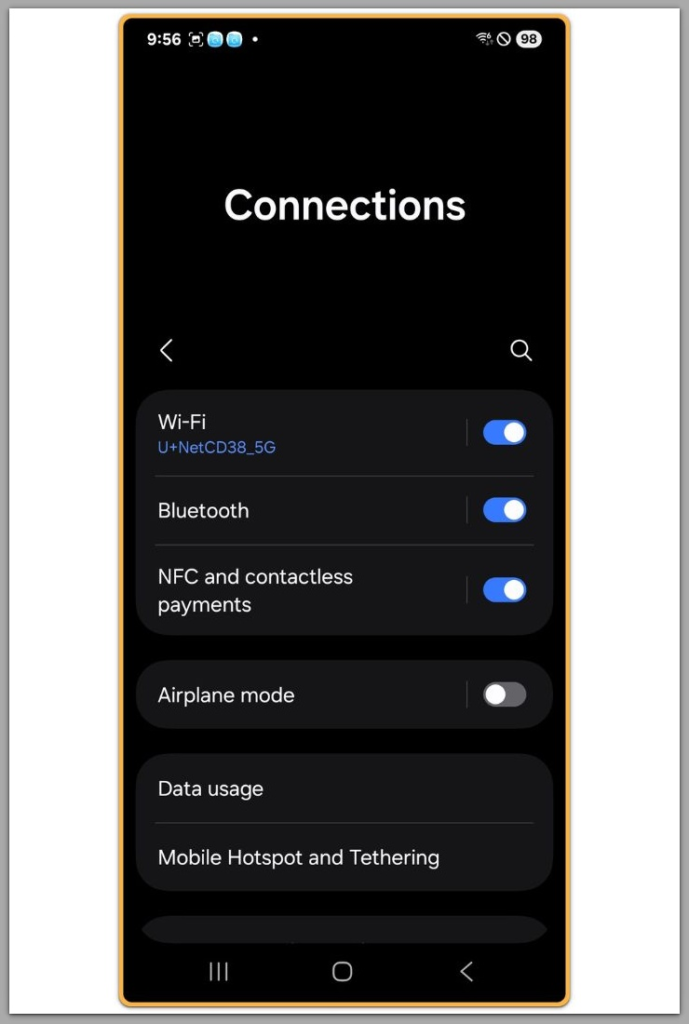
Enable data roaming in the mobile network settings and observe the behavior.
In carrier-level failures, the toggle appears active, but the system never establishes a data session.
The phone may show signal bars or a carrier name, yet data traffic never starts.
This distinction matters.
In practice, a visible network with zero data confirms that the phone is not blocking the connection.
This pattern commonly appears in data roaming not working abroad cases where the carrier silently rejects authorization.
────────────────────────
Step 3: Observe Network Registration Without Data Transfer
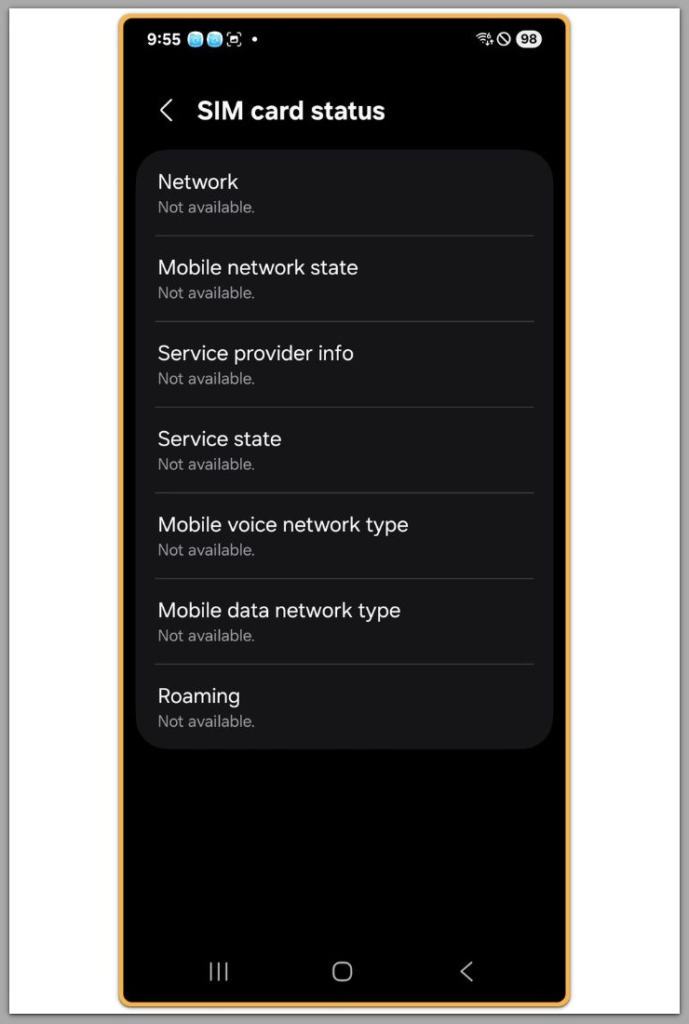
When data roaming not working abroad occurs at the carrier level, the device often registers on a foreign network but cannot exchange data packets.
As a result, webpages fail to load, apps show offline status, and background sync stops entirely.
Repeated airplane mode toggles or restarts do not change this behavior.
They only repeat the same failed authorization attempt.
────────────────────────
Step 4: Rule Out APN and Device Configuration Limits
────────────────────────
APN issues typically cause partial or inconsistent data behavior.
By contrast, carrier-level roaming blocks cause complete and consistent failure.
If the SIM auto-configured the APN and data worked domestically, manual APN edits abroad rarely help.
At this point, configuration changes stop producing meaningful differences.
This type of complete failure aligns with data roaming not working abroad caused by carrier-side enforcement.
At this point, there is nothing more you can change on the phone itself.
Any further checks need to be handled outside the device.
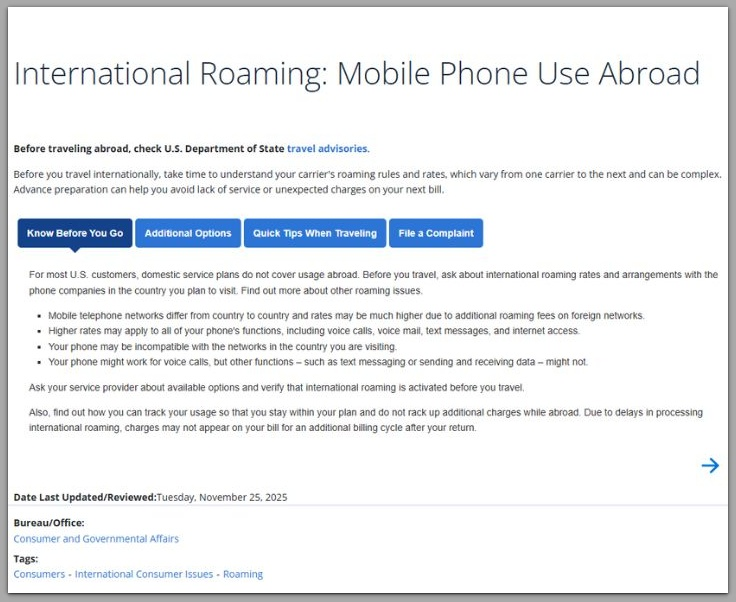
International Roaming: Official reference (FCC)
────────────────────────
Troubleshooting – data roaming not working abroad limitation
────────────────────────
Many users expect that manual network selection will eventually force a data connection.
However, this assumption comes from domestic network behavior, not roaming logic.
In roaming scenarios, the phone does not decide whether data is allowed.
Instead, it only submits a request on behalf of the SIM.
If the carrier-side system rejects that request, the phone receives a silent denial.
No error message appears, and no retry logic changes the outcome.
This is why troubleshooting feels deceptive at this stage.
The device responds, menus react, and signal indicators look normal.
But none of those elements grant roaming data access.
They only reflect radio visibility, not authorization status.
At this point, troubleshooting confirms the limit rather than resolves it.
In practice, data roaming not working abroad remains unchanged regardless of repeated device-side attempts.
────────────────────────
Additional Tips
────────────────────────
Do not assume that a roaming issue will resolve itself after several hours.
Carrier-level roaming restrictions do not operate on delay or retry logic.
Some users wait for background provisioning to complete automatically.
That mechanism applies to domestic SIM activation, not international data access.
Another common mistake is confusing signal presence with data availability.
Signal bars only confirm radio attachment, not data authorization.
Using VPN apps or private DNS services does not bypass roaming limits.
These tools operate after a data session exists, not before.
If Wi-Fi calling works while mobile data does not, this further confirms the boundary.
The account is active, but roaming data permission is missing.
At this stage, conserving effort matters.
Repeated adjustments only increase frustration without changing the result.
In practice, continuing to tweak settings can also waste time, drain battery, and create uncertainty about what actually failed.
Recognizing when further action no longer helps allows users to stop troubleshooting early and avoid unnecessary reset or reconfiguration loops.
────────────────────────
Final Notes
────────────────────────
Data roaming failures abroad often feel unresolved because nothing looks obviously broken.
The phone behaves correctly within its allowed scope.
What stops working is not the device, but the permission boundary attached to the SIM.
Once that boundary takes effect, the phone cannot negotiate past it.
This is the moment where user responsibility realistically ends.
No amount of local adjustment can replace carrier-side approval.
Understanding this boundary prevents unnecessary resets, data loss, and repeated setup loops.
────────────────────────
Checklist
────────────────────────
☐ Mobile data works normally in the home country
☐ Data roaming is enabled but data does not transfer
☐ Network is visible but no internet access exists
☐ APN changes do not affect the outcome
☐ Wi-Fi works while roaming data does not
Once all items above are confirmed, the issue is no longer solvable through device actions alone.
────────────────────────
Extra Section 1
────────────────────────
On many prepaid or region-restricted plans, international data roaming is disabled by default.
This limitation is not always disclosed clearly during signup.
From the carrier’s perspective, disabling roaming reduces fraud and billing risk.
From the user’s perspective, the SIM appears fully functional until leaving the country.
This mismatch creates confusion.
The device shows service, voice may work, and SMS may arrive.
However, data roaming not working abroad in this case is not a malfunction.
It is an intentional limitation applied at the account level.
Only the carrier can remove or modify that restriction.
────────────────────────
Extra Section 2
────────────────────────
Even when roaming is enabled, access depends on agreements with partner networks.
These agreements vary by country, carrier, and plan tier.
If a destination country is excluded, the system automatically rejects the roaming request.
The phone never reaches a negotiation stage.
As a result, changing network modes or bands does not help.
The rejection happens before radio preferences matter.
From the user side, every excluded country looks like a device failure.
From the network side, it is a policy decision.
When a country is unsupported, no phone setting can override that boundary.
In these situations, data roaming not working abroad results from predefined network access exclusions.