
Introduction
────────────────────────
Android System Taking Too Much Storage After Update means the system partition expands or reallocates itself during the OS update process, and the storage usage shown afterward no longer responds to user actions.
This does not come from cache buildup, leftover files, or apps misreporting space.
Instead, the change occurs before the phone finishes updating, at a level users never interact with.
After the update installs, Android actively recalculates storage boundaries between system and user space.
Once the system finalizes that boundary, the system storage size stays fixed for that version.
As a result, deleting apps, clearing cache, or freeing files does not reduce system storage.
Those actions affect only user space, while the extra usage exists outside it.
From a user’s view, storage looks broken or inflated.
However, from Android’s view, the device operates exactly as designed.
This article explains where that storage increase occurs,
why users cannot reclaim it after an update,
and where user control ends in android system taking too much storage cases.
────────────────────────
Step-by-Step Guide
────────────────────────
────────────────────────
Step 1: Confirm the Increase Appeared After the Update
────────────────────────
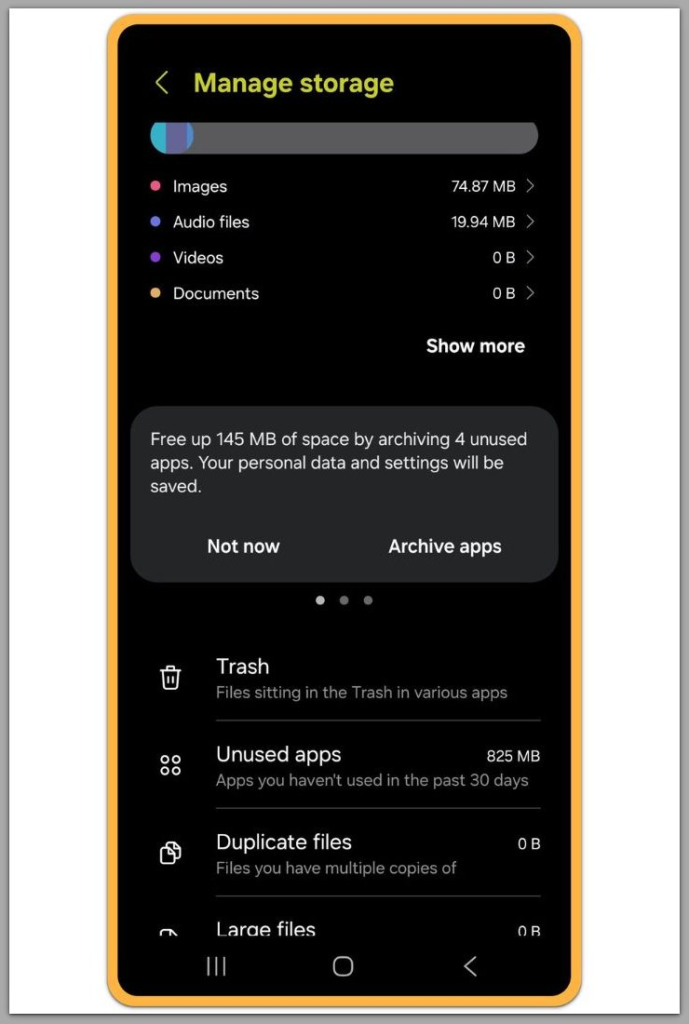
First, verify the timing.
Check whether system storage increased immediately after a major Android update.
If storage stayed normal before the update and then jumped afterward, this confirms the cause.
By contrast, gradual growth over time usually points to data or apps, not system partitions.
If the increase appeared without any update, this article does not apply.
Partition changes occur only during OS-level updates.
────────────────────────
Step 2: Check Storage Breakdown Without Expecting Change
────────────────────────
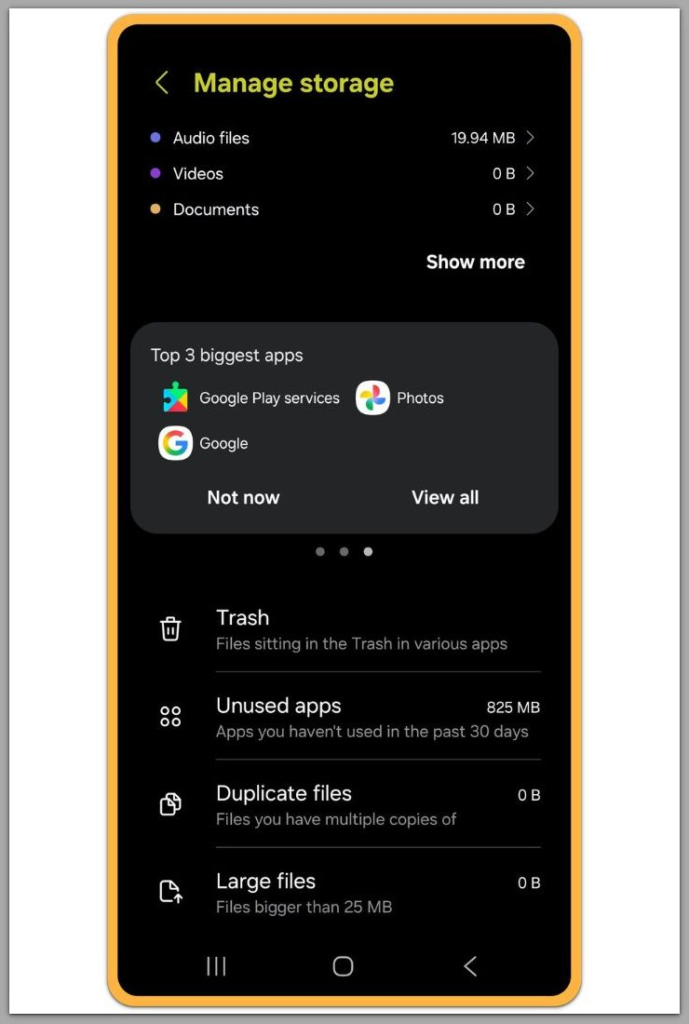
Next, open storage settings and review the category breakdown.
System storage appears as a single, non-expandable block.
When you tap into it, the system does not reveal individual files or cleanup options.
That limitation exists by design, not by accident.
Because the system category cannot be interacted with, the boundary is already enforced.
At this stage, no user tool can cross that boundary in android system taking too much storage cases.
────────────────────────
Step 3: Rule Out User-Space Causes Once
────────────────────────
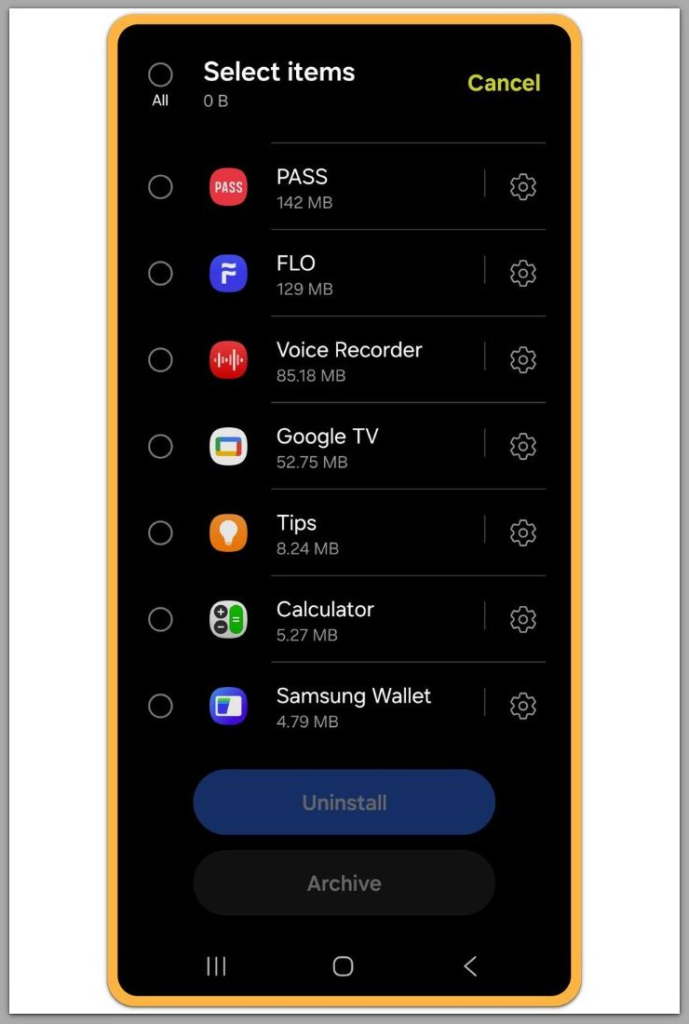
Now, clear app cache, delete large files, and uninstall unused apps once.
This step does not aim to fix the issue. Instead, it confirms where the cause is not.
If total free space increases while system storage stays unchanged, the conclusion becomes clear.
User space responds correctly, while system space remains fixed by design.
Repeating this process does not change the outcome.
At this point, the system partition is already sealed.
────────────────────────
Step 4: Understand Why Factory Reset Does Not Help
────────────────────────
A factory reset restores user space only.
It does not shrink or reallocate system partitions created by an update.
After the reset completes, system storage keeps the same size.
Only apps and personal files disappear.
For this reason, resets feel ineffective in android system taking too much storage situations.
They operate at the wrong layer.
If this limitation still causes practical issues, this is not something that can be resolved through user settings or resets.
At that point, the only remaining options involve system-level handling that falls outside normal user control.
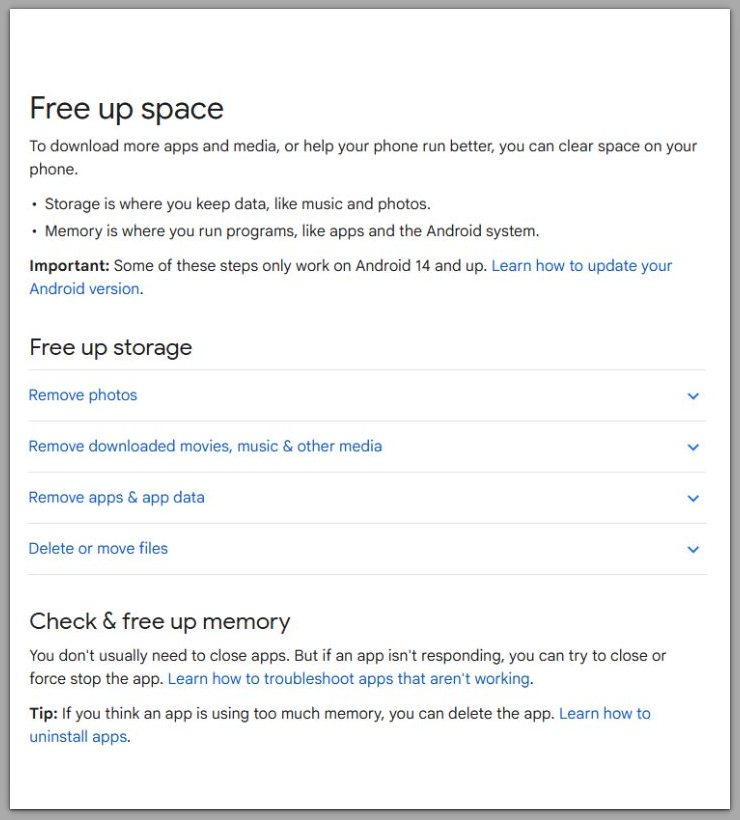
If you need further assistance with freeing up other storage on your device, see the official Android Help page below
────────────────────────
Troubleshooting for android system taking too much storage
────────────────────────
Many users assume something still processes in the background.
This expectation comes from older Android versions, where storage updates lagged behind user actions.
However, that behavior no longer applies.
Modern Android finalizes partition decisions before the device becomes usable.
There is no delayed cleanup task waiting to finish.
If system storage looks identical after multiple reboots, the system already enforced the decision.
As a result, troubleshooting feels repetitive.
The system does not fail to respond; it actively refuses changes at this layer.
At this stage, troubleshooting serves only one purpose.
It confirms that the boundary is enforced, not broken.
────────────────────────
Additional Tips
────────────────────────
Users often search for hidden menus or third-party tools.
However, those tools operate strictly inside user space.
Even advanced cleaner apps cannot access system partitions without root access.
Moreover, root access itself does not safely shrink preallocated partitions.
Some users expect future updates to fix the issue.
In reality, updates usually preserve or expand system partitions rather than reduce them.
Devices with smaller internal storage feel the impact more strongly.
In those cases, the same system size occupies a larger percentage of total space.
Understanding this distinction prevents wasted effort.
Not every storage issue is meant to be solved manually.
────────────────────────
Final Notes
────────────────────────
System storage growth after an update does not indicate a malfunction.
Instead, it reflects a structural reassignment applied during the update process.
Once applied, user actions cannot reverse it in android system taking too much storage cases.
User control ends cleanly at that point.
Recognizing that endpoint prevents unnecessary repetition.
The device does not degrade; it follows its updated design.
────────────────────────
Checklist
────────────────────────
☐ Storage increase appeared immediately after an update
☐ System category cannot be accessed or cleaned
☐ User data cleanup does not reduce system storage
☐ Factory reset leaves system size unchanged
If all items apply, the behavior is expected and permanent.
────────────────────────
Extra Section 1
────────────────────────
Android updates do more than add features.
They actively redefine how the system itself is stored.
Each update carries forward compatibility layers, security modules, and rollback protections.
As a result, the system requires reserved areas that older versions did not.
Once the device boots into the updated system, those areas become committed.
Reverting them would risk system integrity.
This priority explains why Android favors stability over reclaimable space.
The tradeoff supports reliability rather than flexibility.
Another factor adds to the confusion.
Android never explains these changes during updates.
The update screen highlights features and security, not storage structure.
Consequently, users see the result only after rebooting, without context.
That silence makes android system taking too much storage feel accidental,
even though the change was planned.
────────────────────────
Extra Section 2
────────────────────────
Users often compare devices and notice different system sizes.
However, those differences come from manufacturer choices, not user behavior.
Some brands allocate larger partitions to avoid future constraints.
Others keep them smaller and expand them later.
Either way, the decision happens at build time.
By the time the update reaches the phone, the outcome is already fixed.
In android system taking too much storage cases,
the system does not take storage from the user.
Instead, it reassigns space before the user can intervene.
Online comparisons often ignore storage class differences.
The same Android version behaves differently on UFS 2.1 and UFS 3.x devices.
Vendors adjust partition buffers based on hardware reliability margins.
Those adjustments stay invisible to users but directly affect how large system storage appears.