
Introduction
────────────────────────
Android storage still full after deleting multiple large files means the phone has already removed the data, but the system has not finished recalculating usable storage.
This is not a failed delete action, a cache bug, or hidden files reappearing.
After multiple large files are deleted at once, Android does not instantly update available space.
The system first rebuilds internal indexes that track media, file ownership, and storage allocation.
During this phase, storage numbers remain unchanged even though data is gone.
Repeating deletions or clearing apps does not force an immediate update.
Once indexing completes, the freed space appears all at once.
Until then, user control has already ended.
This article explains where storage reporting pauses,
why Android delays the update,
and how to recognize the exact point where user actions stop affecting results in android storage still full after deleting multiple large files cases.
────────────────────────
Step-by-Step Guide
────────────────────────
────────────────────────
Step 1: Confirm Files Are Truly Deleted
────────────────────────
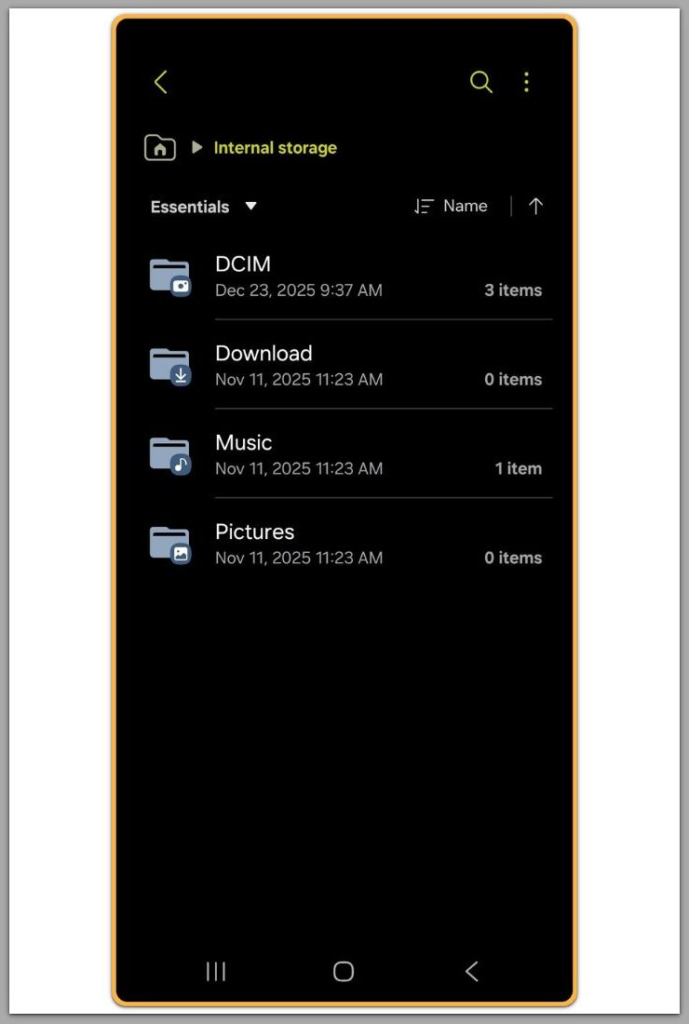
First, verify that the files are no longer visible in the original location.
Check the file manager, gallery, and any app-specific folders where the files existed.
If the files do not reappear after reopening the app, deletion was successful.
At this point, the issue is not related to a failed delete operation.
If files still appear, the problem is different and unrelated to indexing.
Only continue if deletion is confirmed.
────────────────────────
Step 2: Understand What System Indexing Does
────────────────────────
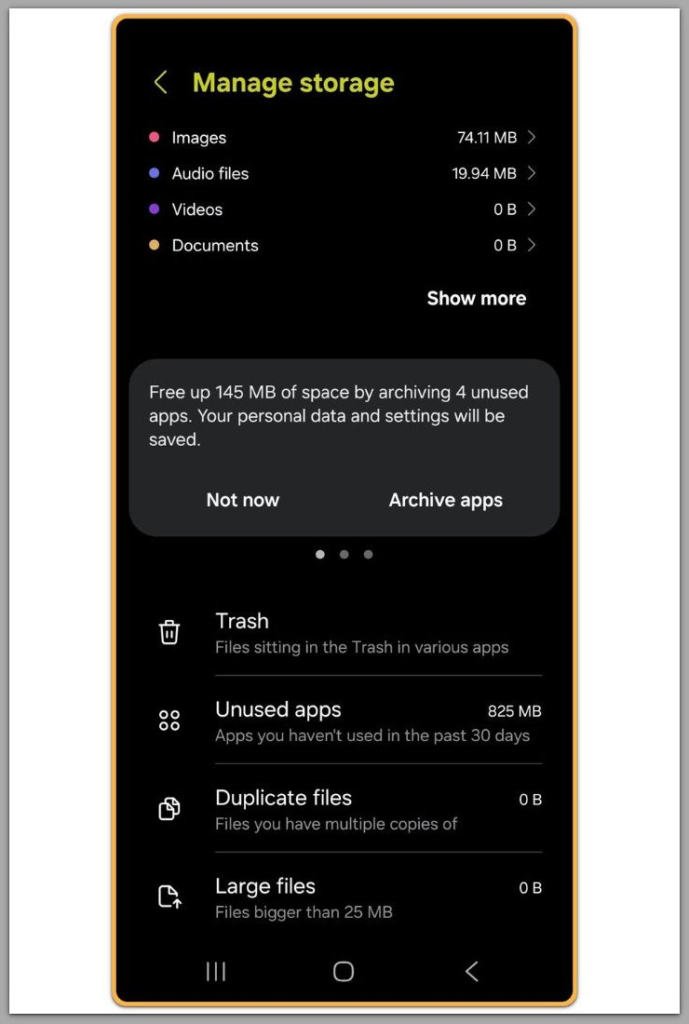
Android tracks storage through multiple internal databases.
Media files, downloads, app data, and system files are indexed separately.
In android storage still full after deleting files situations, Android pauses storage updates when large files or many items are removed.
It rebuilds these indexes in the background to prevent corruption.
This process runs silently.
There is no progress bar, notification, or manual trigger.
Until indexing finishes, storage values remain frozen.
────────────────────────
Step 3: Avoid Actions That Do Not Help
────────────────────────
Deleting more files during indexing does not speed up the update.
Clearing app caches does not interrupt or restart the process.
Restarting the device does not reliably speed up indexing.
In many cases, it simply resumes the same background process without changing the outcome.
At this stage, waiting is not passive behavior.
It is the only action that aligns with how the system works.
────────────────────────
Step 4: Allow the Indexing Process to Complete
────────────────────────
Leave the device powered on.
Keep battery above safe levels or connect to a charger.
Avoid force-stopping system apps.
Avoid third-party cleaner apps claiming instant fixes.
Once indexing completes, storage numbers update suddenly.
There is no gradual increase.
This process cannot be accelerated through basic settings. If storage recalculation remains stalled beyond a reasonable period, professional assistance may be required to evaluate system-level storage behavior.
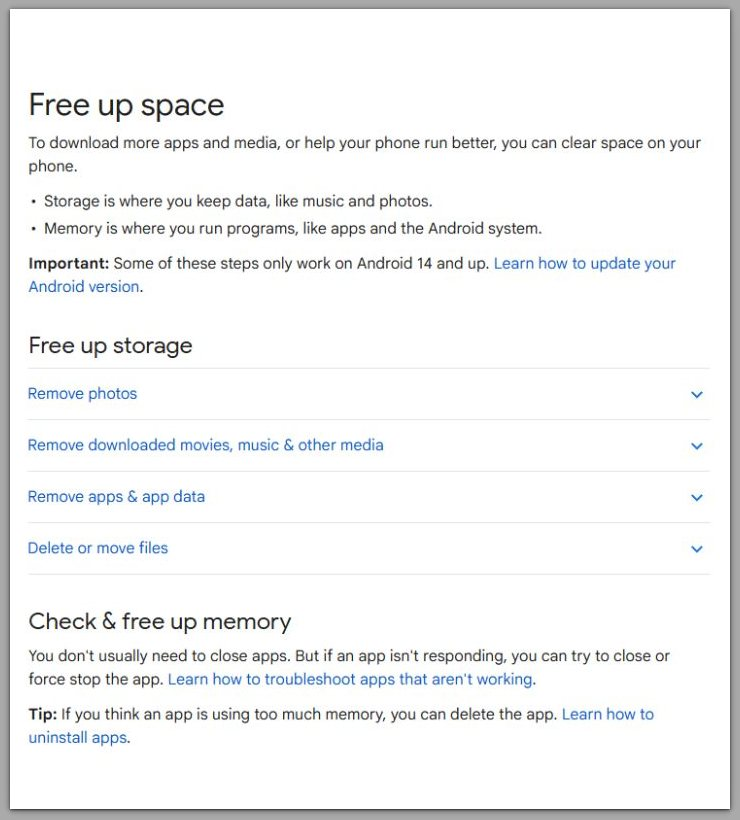
For official information on Android storage behavior, see the Android Help documentation below.
────────────────────────
Troubleshooting Android Storage Still Full After Deleting Files
────────────────────────
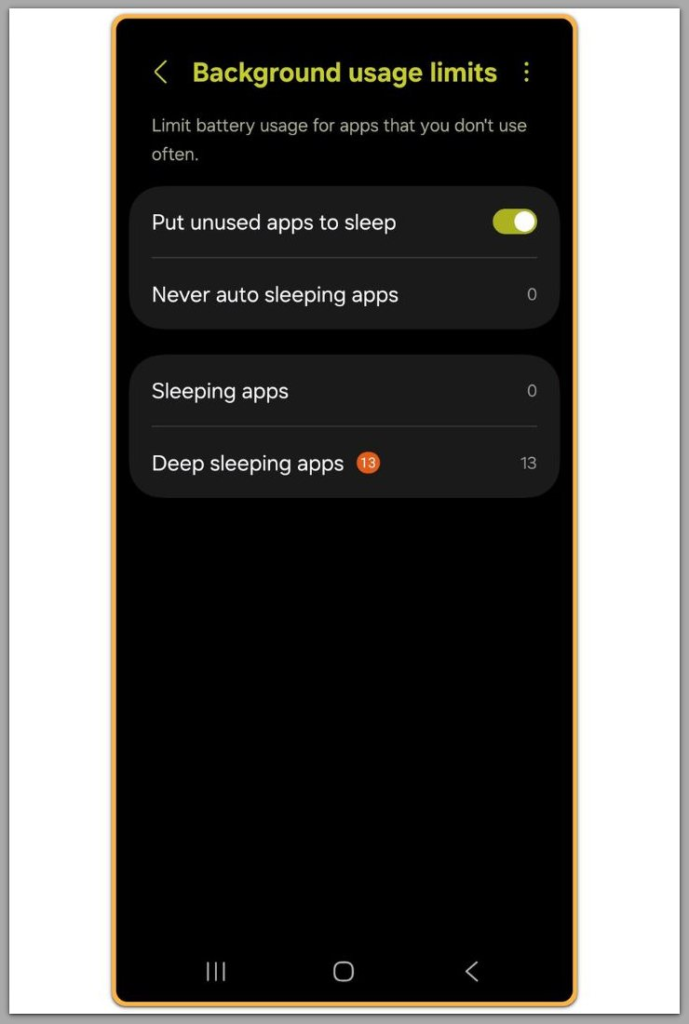
Many users reach this stage convinced something is broken.
That reaction is understandable, because storage numbers feel absolute and final.
In android storage still full after deleting files cases, the key signal is stability.
If storage does not change but the device continues operating normally, the system is not stuck.
Apps opening without delay, no system warnings, and no storage errors appearing elsewhere all point to the same conclusion.
Indexing is still running in the background.
Troubleshooting here is not about fixing.
It is about ruling out false causes.
Network changes, account syncs, or app resets do not influence storage indexing.
Those actions operate at a different layer.
If the same storage value persists across hours without other symptoms, that consistency confirms the boundary.
The system has already taken over, and user intervention no longer applies.
At this point, repeated actions only create uncertainty.
They do not create progress.
────────────────────────
Additional Tips
────────────────────────
In android storage still full after deleting files cases, indexing duration depends on more than file size alone.
File type, file location, and storage structure all affect timing.
Deleting videos stored across multiple folders forces Android to reconcile media databases and file tables together.
This takes longer than deleting a single large file.
Devices using SD cards or adoptable storage experience longer delays.
The system must validate external storage integrity before updating internal reports.
Low battery states can also slow indexing.
Android deprioritizes background system work when power conditions are unstable.
Leaving the phone idle with stable power allows indexing to complete in the shortest realistic window.
Active use does not stop the process, but it can slow it down.
When storage updates after a delay, that delay itself is confirmation.
Nothing was missing.
Nothing was ignored.
────────────────────────
Final Notes
────────────────────────
Storage reporting feels immediate because deletion feels immediate.
But Android treats them as separate responsibilities.
When the system pauses storage updates, it is not questioning your action.
It is validating its own internal state.
In android storage still full after deleting files situations, frustration comes from visibility, not malfunction.
The system does not explain what it is doing.
Once indexing completes, storage updates without warning or transition.
That sudden change is the signal that the process is finished.
Until that moment, no setting, app, or reset can shorten the wait.
User control has already ended.
────────────────────────
Checklist
────────────────────────
☐ Files no longer visible in original locations
☐ No storage error messages elsewhere
☐ Device operating normally
☐ Battery stable or charging
☐ Time allowed for system indexing
If all boxes are checked, the outcome depends only on system completion.
────────────────────────
Extra Section 1
────────────────────────
The idea that storage should update instantly is logical, but incorrect.
Android prioritizes data integrity over immediate feedback.
Indexing rebuilds references that connect physical storage blocks to user-visible categories.
This includes media databases, app storage records, and system-level accounting.
If this step were rushed, the risk would be corrupted storage reports or inaccessible files.
Android avoids that by delaying updates instead.
Because the system does not surface this activity, users assume nothing is happening.
In reality, silent processing is the safety design.
When storage finally updates, it reflects a verified state, not an estimate.
That accuracy is the reason for the delay.
────────────────────────
Extra Section 2
────────────────────────
No reliable user-level tool can force indexing to finish.
This is not a limitation of apps, but a deliberate restriction.
System indexing runs with privileges unavailable to normal processes.
Allowing user triggers would risk incomplete validation.
In android storage still full after deleting files cases, third-party cleaner apps promise control they cannot deliver.
At best, they wait.
At worst, they interrupt.
The correct resolution path contains no action steps beyond confirmation and patience.
That may feel unsatisfying, but it is definitive.
Once indexing completes, storage reporting corrects itself automatically.
At that point, normal user control resumes without further input.