
Introduction
────────────────────────
Recover deleted photos when Google Photos backup is disabled means the photos never synced to Google servers, and recovery options remain limited to a short, system-defined window on Android.
In other words, this situation describes a case where cloud-based recovery never existed from the start.
This situation does not come from a temporary glitch, delayed sync, or missing permission.
Instead, when users turn backup off at the time of deletion, the photos exist only in local device storage.
Many users assume Google Photos automatically protects all images once they install the app.
However, that assumption fails when backup is disabled.
In this case, Google Photos functions only as a local gallery and offers no cloud safety net.
Once deletion occurs, apps, effort, and repeated attempts stop influencing recovery.
Therefore, the Android system alone decides whether temporary local references still remain.
For this reason, this article explains where free recovery realistically ends,
why recover deleted photos google photos no backup does not remain possible indefinitely,
and the exact point where user control stops.
────────────────────────
Step-by-Step Guide: Recover deleted photos google photos no backup
────────────────────────
Step 1: Confirm Backup Was Disabled at the Time of Deletion
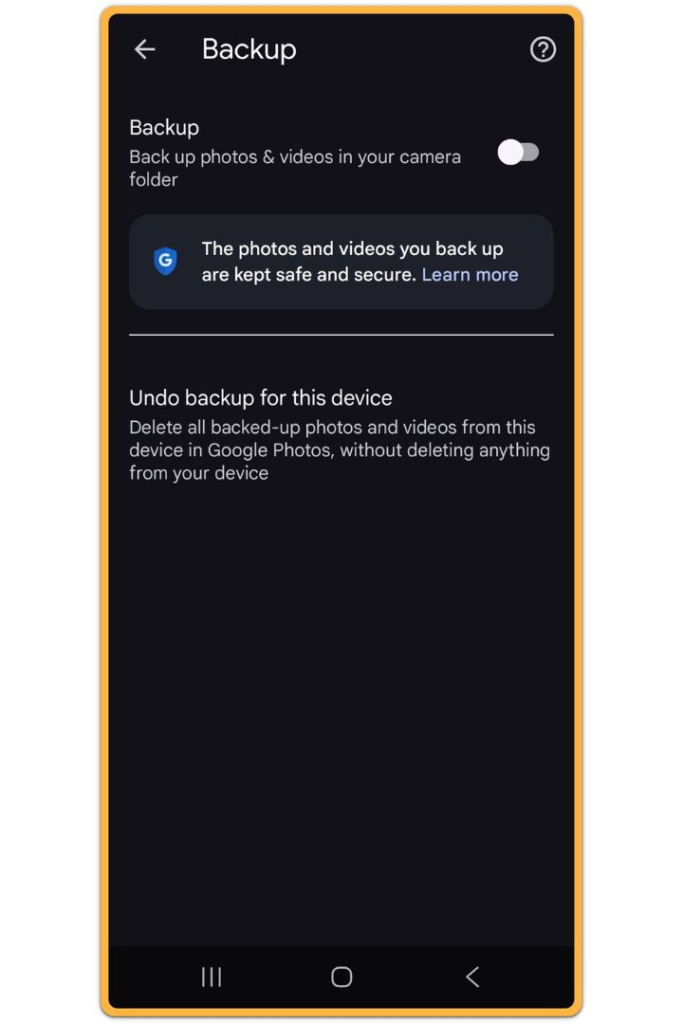
Before attempting any recovery, check the backup state at the moment of deletion.
If Google Photos backup was disabled, the system never uploaded those images to Google servers.
In this case, recover deleted photos google photos no backup has no server-side recovery path at all.
Only local system remnants can influence the outcome.
Even if users enable backup later, the system does not reverse its decision.
Instead, the system evaluates backup status at the exact moment users remove the photos.
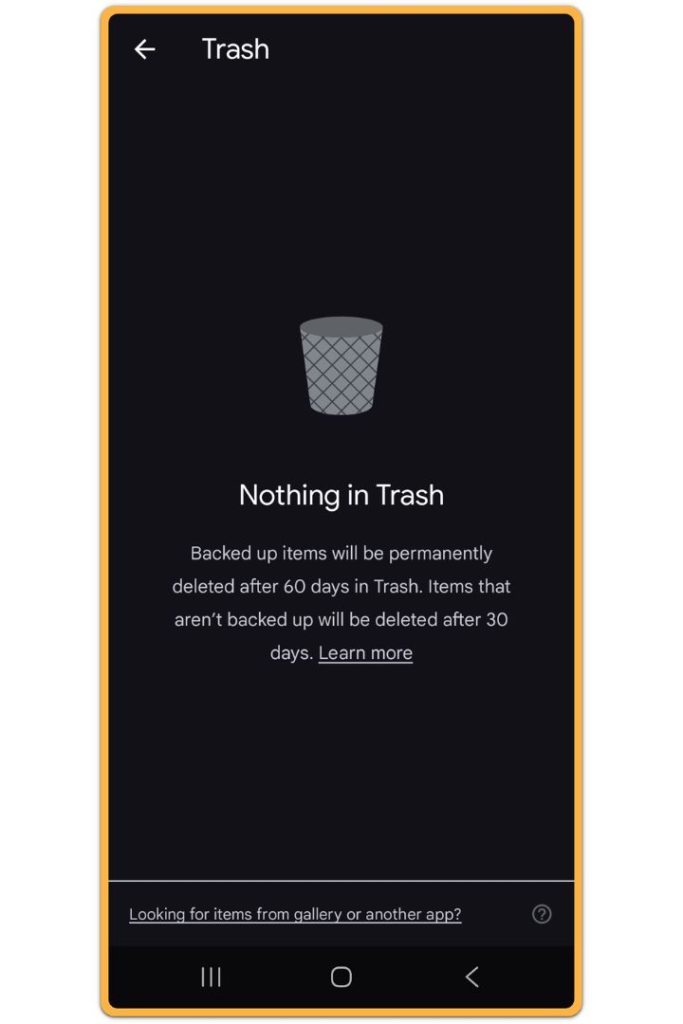
Step 2: Understand What the “Recovery Window” Means
On Android, the system does not erase deleted photos at the storage level immediately.
For a short time, the operating system keeps file references or cached data.
However, users cannot control this window.
Instead, the operating system defines it internally, and device behavior determines its length.
Once the system clears these references, recovery becomes impossible.
As a result, recover deleted photos google photos no backup reaches its hard limit at this stage.
Step 3: Why Recovery Apps Fail Without Backup
Many recovery tools claim they can scan deep storage for deleted photos.
However, without backup, these tools rely only on fragmented local data.
Modern Android devices use file-based encryption.
After deletion finalizes, the system discards the encryption keys.
Without those keys, remaining data blocks hold no usable meaning.
Therefore, apps may show thumbnails or fragments but never restore full photos.
If the issue still persists after checking everything above, this is no longer a basic settings issue.
At this point, photo deletion behavior is controlled by device-level rules, account restrictions, or system-defined limits.

You can confirm how Google applies these rules through the support documentation linked here.
────────────────────────
Troubleshooting
────────────────────────
When recovery attempts fail immediately, the system has usually already cleared local references.
This outcome does not mean the tool failed or users made a mistake.
Restarting the device, reinstalling apps, or waiting longer does not restore access.
Instead, Android continues managing deleted local data in the same way.
If thumbnails appear but full images never return, this result confirms the window has closed.
At that point, recover deleted photos google photos no backup has already passed the free recovery stage.
────────────────────────
Additional Tips
────────────────────────
Backup-disabled deletions behave differently from cloud-backed deletions.
Because of this, users should adjust expectations early.
Keeping the device powered on after deletion does not protect recoverability.
As a result, system cleanup routines continue regardless of user activity.
Therefore, users must enable backup before deletion to prevent future loss.
Backup cannot protect photos that never synced.
────────────────────────
Final Notes
────────────────────────
Recovering deleted photos without Google Photos backup remains strictly limited by system design.
Once Android removes local references, the system permanently closes all recovery paths.
Persistence or searching for a better app does not change this result.
This moment clearly marks where recover deleted photos google photos no backup ends for users.
Checklist
☐ Confirm Google Photos backup was disabled at deletion time
☐ Accept that recovery depends on a short system-defined window
☐ Identify when the system has already cleared local references
☐ Stop repeated recovery attempts once thumbnails fail to restore
Once this window closes, free recovery is no longer possible.
────────────────────────
Extra Section 1
────────────────────────
Many users start searching for recovery solutions only after realizing backup was off.
By that time, the system has often already finalized its decision.
Android prioritizes data security over late recovery attempts.
As a result, the system blocks unauthorized access to deleted personal files.
This is why recover deleted photos google photos no backup cases fail even when recovery tools appear to work.
The limitation does not come from missing features or poor apps.
Instead, the operating system treats deleted, non-backed-up photos as finalized removals.
Once that state is reached, no user-level action can reopen the recovery path.
Disabling backup removes every long-term recovery option by design.
From that point forward, recovery depends only on whether the system has already cleared local references.
────────────────────────
Extra Section 2
────────────────────────
Many people assume time and effort improve recovery chances.
However, in recover deleted photos google photos no backup scenarios, the opposite happens.
Once the system clears local traces, no further action helps.
At that point, recovery moves entirely outside user control.
Knowing where this boundary lies prevents wasted effort
and clearly signals when recovery attempts should stop.