
Introduction
────────────────────────
Android app keeps crashing after OS update refers to a post-update state where one or more apps repeatedly close immediately after launch because the updated Android system no longer accepts the app’s compatibility layer.
The update itself completes normally.
The device boots and operates without visible system errors.
Only specific apps fail the moment they start.
This is not a random instability.
It is not caused by temporary cache corruption.
The system has already rejected the app at the compatibility level.
Once this condition appears, user-side adjustments stop influencing the outcome.
The failure is no longer about settings or storage.
The OS update itself creates this boundary.
────────────────────────
Step-by-Step Guide : android app keeps crashing after os update
────────────────────────
────────────────────────
Step 1: Confirm the crash pattern immediately after launch
────────────────────────
Open the app and observe the timing of the crash.
If the app closes instantly before showing any interactive screen,
the system terminates the process during compatibility checks.
If the crash occurs every time without variation,
this is not a usage error or unstable input behavior.
At this point, the behavior is not a performance issue.
It indicates that the app cannot pass the execution rules enforced after the system update.
────────────────────────
Step 2: Check whether the issue affects only one app
────────────────────────
Launch other apps that rely on similar permissions or system features.
If only a single app crashes consistently,
the problem remains isolated to that app’s compatibility state.
If multiple unrelated apps crash in the same way,
the issue may involve a broader framework change introduced by the update.
In most cases, android app keeps crashing after os update remains app-specific.
System-wide failures usually present additional warning signs.
────────────────────────
Step 3: Verify that basic recovery actions do not change the result
────────────────────────
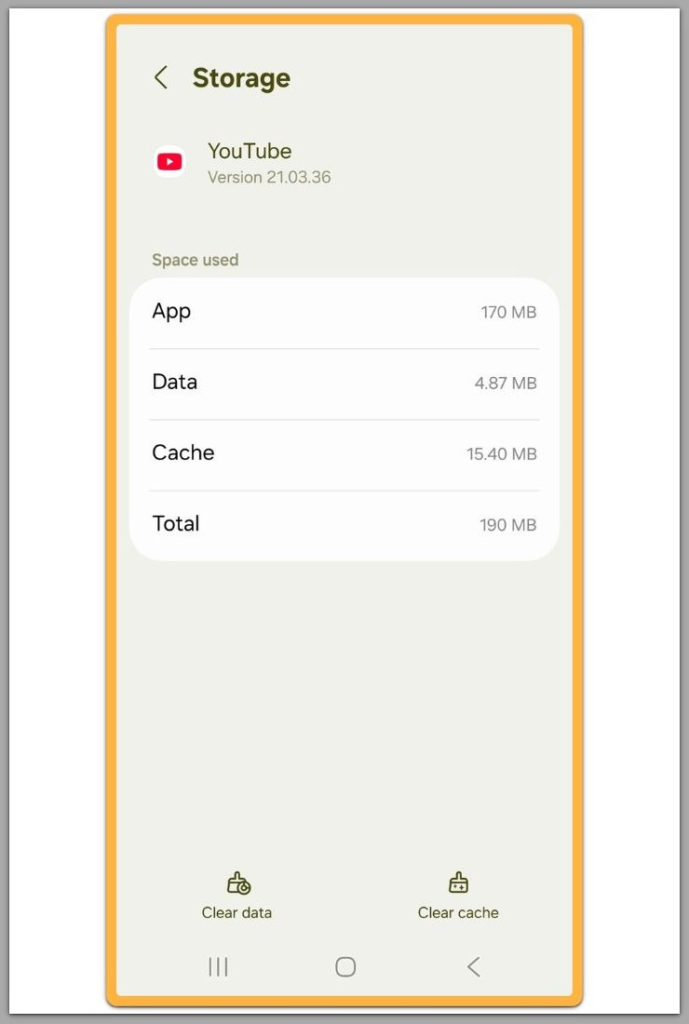
Clear the app cache and data once.
Restart the device and try again.
If the crash behavior remains identical,
this confirms that local user data is not involved.
Reinstalling the app produces the same outcome
when incompatibility exists at the OS level.
When android app keeps crashing after os update persists after reinstall,
the failure point already sits outside user control.
────────────────────────
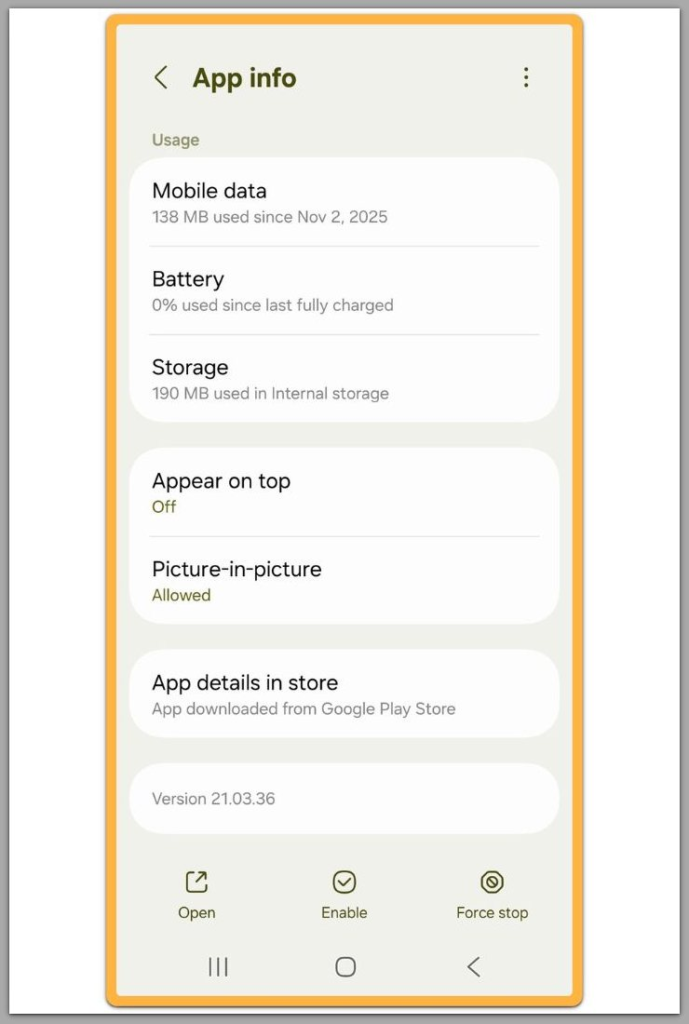
Step 4: Identify whether the app has received post-update support
────────────────────────
Check the app’s last update date and compatibility notes.
If the app has not been updated to support the current Android version,
the OS continues to reject it regardless of user actions.
Even well-known apps can lag behind system updates.
The OS enforces compatibility; the user cannot negotiate it.
At this stage, android app keeps crashing after os update becomes a developer-side limitation.
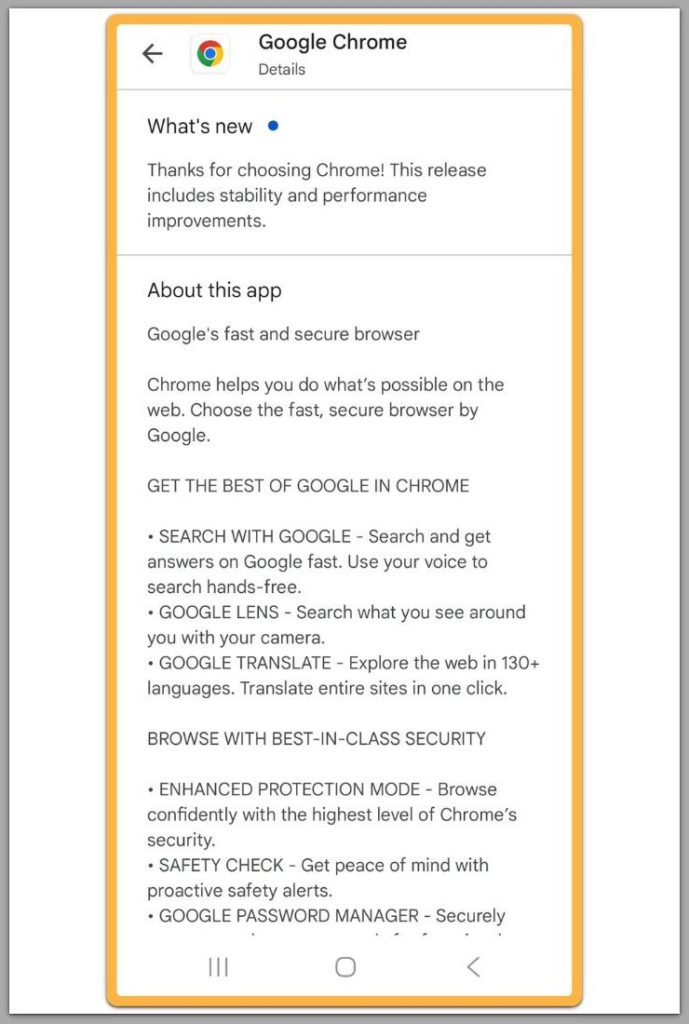
If the app has not been updated for the current Android version, confirming whether execution can be restored requires checking information provided outside the device, as this cannot be determined or changed through user settings.
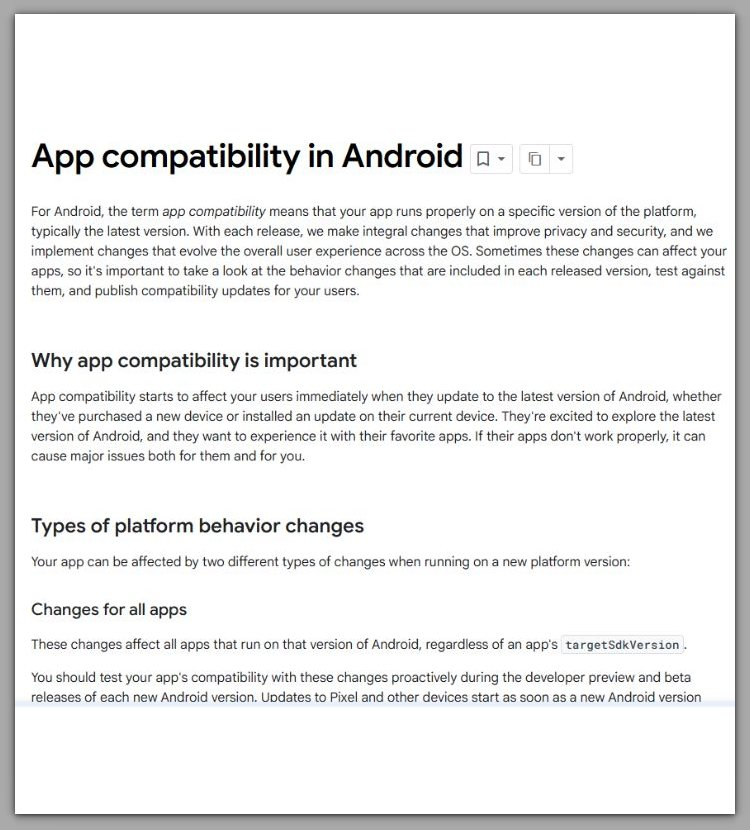
This can only be verified through information provided outside the device.
────────────────────────
Troubleshooting
────────────────────────
────────────────────────
Crash occurs before any UI is rendered
────────────────────────
When the app closes before showing a splash screen or loading indicator, the crash does not occur inside the app logic.
In this situation, android app keeps crashing after os update because the OS terminates the process during the compatibility check.
In this state, the app never reaches a point where user data, permissions, or runtime configuration can be evaluated.
Clearing cache or storage has no effect because execution never progresses far enough to reference them.
If this behavior started immediately after the OS update and remains identical on every launch attempt, the system has already classified the app as incompatible with the current environment.
────────────────────────
App launches briefly, then closes without warning
────────────────────────
Some apps pass the initial execution gate but fail seconds later.
This usually indicates that the app invokes a deprecated API or a restricted background operation shortly after startup.
The key indicator is consistency.
If the app always crashes at the same moment, the failure remains deterministic, not random.
In these cases, the OS allows partial execution but stops the process as soon as a blocked call occurs.
User-side adjustments cannot intercept or delay this termination.
────────────────────────
Crash persists after reinstall and reboot
────────────────────────
Reinstalling resets user data but does not change the app binary or its declared compatibility targets.
A reboot clears temporary system states but does not roll back execution rules introduced by the update.
When the crash pattern remains unchanged after both steps, the failure point becomes fixed.
The OS enforces a rule rather than reacting to corruption.
This confirms that the issue no longer sits within a recoverable user scope.
────────────────────────
Only specific apps are affected
────────────────────────
If other apps function normally, system stability is not in question.
The OS update itself is not defective.
Targeted crashes usually indicate that the affected app relies on behavior the new OS version no longer permits.
This may include legacy permission models, unrestricted background access, or outdated SDK targeting.
From the system’s perspective, blocking execution is expected behavior.
────────────────────────
Additional Tips
────────────────────────
Safe Mode can reduce interference from third-party services, but it does not relax OS-level execution policies.
If the system has already denied compatibility, the app will continue to close regardless of launch conditions.
Switching user accounts does not bypass execution rules enforced after an OS update.
The decision is applied at the system level, not the user profile level.
Third-party app repair utilities cannot modify system-level execution rules.
At best, they temporarily mask symptoms before the same termination occurs again.
If the app is business-critical, monitoring the developer’s update cycle remains the only practical option.
No local configuration can force execution once the OS has denied it.
────────────────────────
Final Notes
────────────────────────
When an android app keeps crashing after os update with identical behavior across reinstalls and reboots, the system has already completed its compatibility decision.
This is no longer a fixable instability but a defined execution boundary.
────────────────────────
Checklist
────────────────────────
☐ App closes consistently at the same point
☐ Reinstalling does not change behavior
☐ Other apps remain stable
☐ No update confirming support for the current OS version
Continuing to troubleshoot beyond this point does not change the outcome.
────────────────────────
Extra Section 1
────────────────────────
Android enforces compatibility through execution gates that activate before an app’s UI initializes.
These gates validate API usage, background behavior, permission scopes, and security constraints introduced with each OS version.
When an app targets outdated SDK levels or depends on deprecated system behavior, the OS does not attempt partial tolerance.
The system terminates the process immediately to preserve integrity.
This explains why the crash feels abrupt and repeatable.
From the system’s perspective, the decision is final before execution begins.
────────────────────────
Extra Section 2
────────────────────────
There is a critical difference between app instability and compatibility rejection.
Instability can vary.
Compatibility rejection does not.
Once android app keeps crashing after os update reaches this state, waiting for a system patch does not help unless execution rules change globally.
Only an app update that explicitly supports the new OS version can restore execution eligibility.
Until that happens, the device functions correctly.
The app is simply no longer permitted to run.
This is not a failure to troubleshoot.
It is the endpoint of user-controlled recovery.