
Introduction
────────────────────────
Android antivirus app blocking system features refers to a situation where an Android phone continues to operate normally, yet certain system functions stop responding after an antivirus app takes control.
The device turns on without errors.
Core apps launch as expected.
Settings menus remain accessible.
However, specific system features stop working.
Permissions do not apply.
Background processes are actively blocked.
As a result, system behavior changes without clear alerts.
This is not a bug.
It is not a temporary glitch.
Instead, the antivirus layer makes a protection decision independently of the Android system.
Once the antivirus engine enforces that decision, normal user control no longer applies.
────────────────────────
H3 Step-by-Step Guide
────────────────────────
────────────────────────
Step 1: identify whether the limitation comes from the antivirus layer
────────────────────────
The first step is not changing system settings.
Instead, confirm whether the restriction originates outside the operating system.
If a system feature worked before installing or updating an antivirus app, but stopped immediately afterward, the source becomes clear.
Android itself rarely disables features silently.
Security apps, however, routinely act without user confirmation.
Therefore, when android antivirus app blocking system features occurs, the system follows the security app’s rules first.
────────────────────────
Step 2: check which system permissions are being overridden
────────────────────────
Most antivirus apps request advanced access.
For example, they request:
Accessibility services.
Device administrator privileges.
Battery optimization exemptions.
These permissions allow the app to intercept system behavior directly.
Once the user grants them, the antivirus app blocks actions before Android processes them.
At this stage, changing system toggles produces no effect.
The override occurs upstream, before user-level control applies.
────────────────────────
Step 3: observe patterns that indicate protection-based blocking
────────────────────────
Certain signs consistently appear.
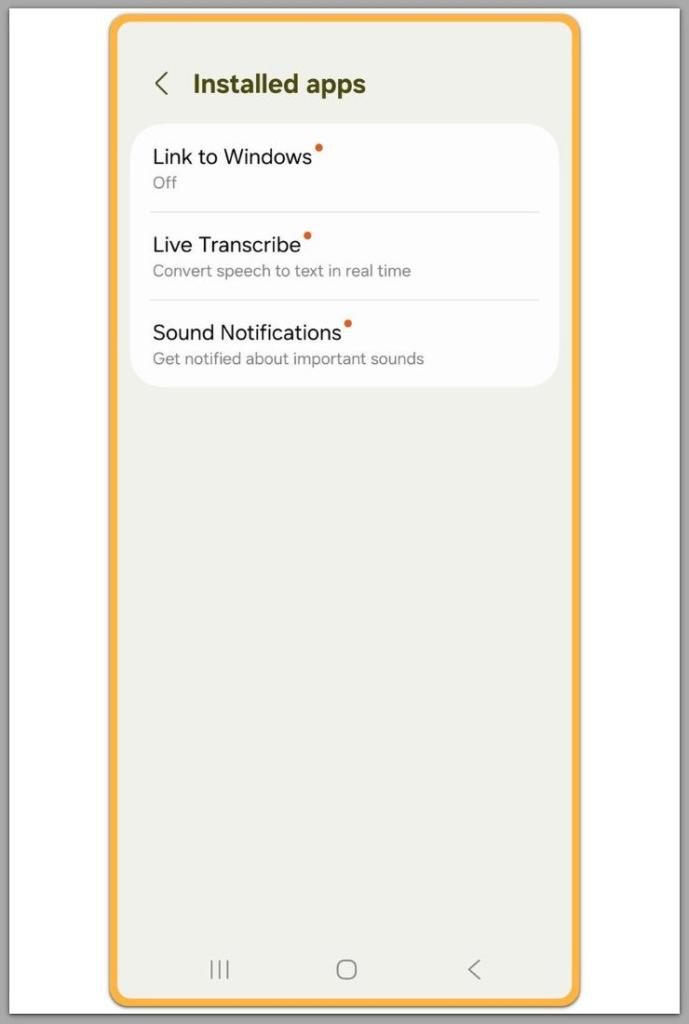
For instance, features fail only when the antivirus app is active.
In addition, Safe Mode restores functionality.
Finally, issues disappear after uninstalling the security app.
Together, these patterns indicate control priority rather than system failure.
Android continues working as designed.
User control simply no longer holds the highest authority.
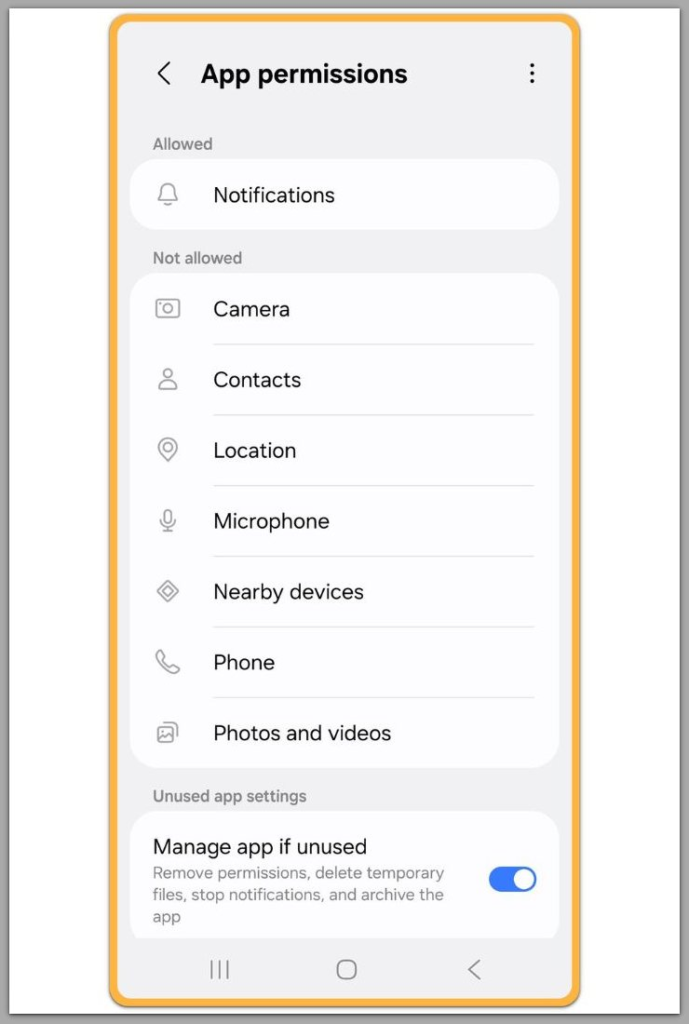
“This screen does not indicate an error.
It illustrates a state where system features remain listed but are selectively suppressed by higher-level rules.”
If the patterns above are present, further progress usually requires reviewing how security-level restrictions are evaluated and handled beyond basic system settings.
────────────────────────
Troubleshooting : android antivirus app blocking system features
────────────────────────
────────────────────────
Antivirus app settings appear disabled but blocking continues
────────────────────────
Many users disable visible protection toggles and expect normal behavior to return.
In practice, this approach often fails when android antivirus app blocking system features continues at the enforcement layer.
Some antivirus apps keep enforcing background rules even when the interface shows protection as disabled.
In other words, the app still runs as a system-level observer.
Its decision engine remains active.
As a result, features stay blocked despite settings appearing inactive.
At this point, the antivirus layer remains in control.
────────────────────────
System permissions are technically granted but functionally ignored
────────────────────────
Another common symptom involves permissions that appear enabled but do not take effect.
The system reports access as granted.
Nevertheless, the feature still fails to execute.
This happens because the antivirus app intercepts the action before Android processes it.
From the user’s perspective, the permission exists.
From the execution layer, the antivirus engine rejects the action earlier.
Consequently, no amount of permission toggling changes this order.
────────────────────────
Safe Mode restores behavior temporarily
────────────────────────
Safe Mode provides one of the clearest indicators.
When the device enters Safe Mode, third-party security apps do not load.
If blocked system features work normally in this state, the source becomes confirmed.
Android itself does not restrict the behavior.
Instead, the antivirus layer applies the limitation.
This distinction matters because it defines where troubleshooting must stop.
────────────────────────
Reinstalling the antivirus app does not reset internal rules
────────────────────────
Some users uninstall and reinstall the antivirus app expecting a clean reset.
In many cases, the same behavior returns immediately after reinstallation.
This occurs because protection profiles are restored from the app’s cloud configuration.
The device reconnects.
The antivirus service reapplies the same rules.
From the system’s perspective, nothing changes.
────────────────────────
Additional Tips
────────────────────────
Antivirus behavior often changes after silent updates.
These updates do not always appear as visible version upgrades.
Instead, policy files update independently.
Protection thresholds adjust remotely.
As a result, users often associate the issue with Android updates.
In reality, the timing is coincidental in many android antivirus app blocking system features cases.
The security app changed its internal rules, not the operating system.
Understanding this distinction prevents unnecessary system-level actions.
────────────────────────
Final Notes
────────────────────────
When android antivirus app blocking system features occurs, the device is not malfunctioning.
Instead, the system follows a higher-priority rule set.
User control ends at the moment administrator-level access is granted.
Beyond that boundary, Android does not negotiate at the user-control level.
Recognizing this boundary prevents wasted troubleshooting.
────────────────────────
Checklist
────────────────────────
☐ The issue began after installing or updating an antivirus app
☐ System settings show permissions enabled but behavior remains blocked
☐ Safe Mode restores normal functionality
☐ Reinstalling the antivirus app reproduces the same limitation
When all four conditions align, the limitation is no longer adjustable at user level.
────────────────────────
Extra Section 1
────────────────────────
In real-world troubleshooting, technicians often misdiagnose this issue as a system failure.
Users report that features suddenly stop working without visible errors.
The phone feels normal.
Battery usage appears stable.
Crash logs remain empty.
This situation creates confusion.
From the technician’s perspective, the key detail is not what fails, but what continues to work.
Core system processes operate normally.
Only selected actions remain blocked.
Moreover, the failures stay consistent and repeatable.
That selectivity signals rule-based control in android antivirus app blocking system features scenarios.
Android system faults usually cascade.
When the OS fails, multiple areas degrade simultaneously.
Here, only specific behaviors are suppressed.
This pattern indicates classification-based blocking rather than system damage.
Security software evaluates actions against risk profiles.
Once an action matches a restricted pattern, the antivirus engine stops it before execution.
Android does not record this as an error.
From the system’s perspective, nothing fails.
Therefore, logs remain clean.
Resets change nothing.
The block exists above user-visible diagnostics.
────────────────────────
Extra Section 2
────────────────────────
Another common mistake involves assuming all antivirus apps behave identically.
In practice, vendor philosophy creates major differences.
Some products prioritize strict prevention and accept false positives.
Others favor compatibility and allow borderline actions.
Problems typically appear after policy updates.
These updates do not reinstall the app.
They do not modify visible settings.
Instead, they quietly redefine what the app considers unsafe.
As a result, a system feature allowed yesterday may become restricted today.
This explains why timing misleads users in android antivirus app blocking system features situations.
Users blame Android updates.
However, the trigger originates inside the antivirus engine.
At that point, user choice is already resolved.
The device follows a predefined security outcome.
From an operational standpoint, no configuration path remains.
Only removing the security layer changes the result.
Understanding this prevents endless trial and error.
It marks the boundary between user-adjustable behavior and enforced protection.
Once that boundary is crossed, further action becomes a choice rather than a technical process.